











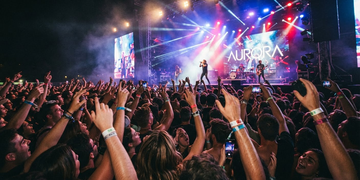




The bass vibrating through the floorboards, the chorus of thousands singing every lyric in unison, and the sudden roar of the crowd when the lights drop—nothing matches the kinetic energy of a live concert. Whether you are stepping into a massive arena, packing into an outdoor festival grounds, or enjoying an intimate warehouse set, live music offers an experience that streaming through earphones simply cannot replicate.
Yet anyone who has attended major concerts knows that the difference between an unforgettable night and an exhausting ordeal often comes down to preparation. Long before the headlining artist steps onto the stage, practical factors like transport logistics, ticketing, battery life, footwear, and crowd awareness determine how your evening unfolds.
Making the most of a live show does not mean overthinking every second; it means getting the basics right beforehand so you can focus entirely on the music once the show begins.
1. Plan Your Transit and Meeting Points Early
The final thirty minutes before a show starts and the hour immediately following the encore are always chaotic around major event centres. Heavy traffic congestion, surging ride-hail fares, and strained mobile network towers make real-time coordination difficult.
- Map out arrival and departure routes: Decide in advance how you are getting to the venue and how you will leave. If you plan to use ride-hailing services, remember that surge pricing and driver shortages peak immediately after large shows end. Walking a few blocks away from the central venue perimeter to a well-lit public area often makes getting picked up faster and less stressful.
- Agree on an offline landmark: Dense crowds regularly overwhelm local mobile masts, causing messaging apps to buffer or fail completely. If you are going with friends, designate a clear, unmistakable physical landmark—such as a specific gate, customer service booth, or landmark statue—as your designated meetup spot in case someone gets separated.
- Keep tickets readily accessible: Screenshot your digital ticket or save the QR code directly to your phone’s offline mobile wallet beforehand. Counting on mobile data to reload an email confirmation at the turnstile gate is a reliable recipe for unnecessary delays.
2. Dress for Movement and Variable Climates
Stage performers may dress in elaborate, high-fashion pieces, but audience members spend hours standing on concrete, navigating crowded walkways, and moving with the music.
- Prioritise supportive footwear: Flat, closed-toe sneakers with proper arch support are almost always the smartest choice. Open sandals or delicate footwear leave you vulnerable to having your toes stepped on in packed standing areas, while high heels quickly cause discomfort during four-hour festival schedules.
- Factor in temperature swings: Indoor arenas and outdoor concert grounds can shift rapidly from hot and humid during the peak performance to breezy and chilly once the crowd clears. Breathable cottons, lightweight layers, or a compact overshirt tied around the waist let you adapt without being weighed down.
- Check venue bag policies: Most modern concert venues enforce strict bag-size restrictions (such as clear bags or small cross-body pouches no larger than an A5 notebook). Check the venue’s official guidelines before leaving home so security does not force you to discard your belongings at the gate.
3. Protect Your Belongings in Dense Crowds
High-density events naturally attract opportunists who take advantage of distracted, dancing crowds. Keeping your essentials safe requires only a few deliberate habits:
- Use front-facing, zipped pouches: Keep your smartphone, keys, cash, and identification in a zippered cross-body bag worn across your chest, or in deep front pockets. Backpacks and rear trouser pockets are notorious blind spots in tightly packed crowds.
- Carry a portable power bank: Filming clips, navigation apps, and mobile ticketing drain smartphone batteries rapidly. A compact, pre-charged power bank ensures you still have enough battery power at 2:00 AM to request a ride home or contact your group.
- Keep essential cards separate: Avoid carrying a bulky wallet packed with unnecessary cards. Bring only one primary payment card, a form of valid identification, and a modest amount of cash for emergency vendor purchases.
4. Protect Your Hearing Without Losing Sound Quality
Live sound systems in arenas, clubs, and stadiums regularly operate between 100 and 115 decibels—volume levels capable of causing temporary hearing fatigue, ringing in the ears (tinnitus), or long-term hearing damage after sustained exposure.
- Position yourself intentionally: If you are attending a show without ear protection, avoid standing directly in front of primary stage speaker stacks or hanging line arrays. Moving back toward the central sound-mixing console often provides a cleaner, more balanced audio mix without overwhelming your ears.
- Invest in high-fidelity earplugs: Unlike cheap foam earplugs that muffle vocals and muddy the bass, reusable high-fidelity musician earplugs reduce overall decibel levels evenly across all frequencies. This protects your hearing while keeping the vocals and instrumentation crisp and enjoyable.
5. Put the Screen Down and Experience the Moment
In an era driven by social media, there is immense pressure to document every beat of a concert for Instagram stories or TikTok feeds. But watching an entire two-hour performance through a six-inch screen fundamentally disconnects you from the shared emotional energy of the room.
- Capture a memory, then put the phone away: Record one or two short clips of your absolute favourite hook or stage entrance, take a commemorative photograph with your friends, and then slide the phone back into your pocket.
- Focus on collective energy: The most powerful part of live music is participating in the atmosphere: dancing, shouting the refrains, and sharing a collective cultural moment with thousands of fellow fans.
Concerts are meant to be felt, not just recorded. When you take care of the practical details ahead of time, you give yourself the freedom to step into the crowd, let go of daily distractions, and truly live inside the music.
Ultimately, the key to an extraordinary live concert experience lies in the details. By planning your logistics, dressing appropriately, safeguarding your belongings, and protecting your hearing, you can enhance your live concert experience significantly. Remember, the joy of a live concert experience is not just about the music; it’s about the atmosphere, the connections, and the memories you create. So, as you prepare for your next show, keep these tips in mind to ensure that every aspect of your live concert experience is as enjoyable as possible.
To learn more about how to protect your hearing at concerts, visit the CDC’s guide on what noises can hurt your ears.
Ultimately, enhancing your live concert experience hinges on thoughtful preparation and a focus on the essentials. By planning your transit, dressing appropriately, safeguarding your belongings, and protecting your hearing, you can fully immerse yourself in the vibrant atmosphere of the live concert experience. Remember, it’s not just about the music; it’s about creating lasting memories in a dynamic environment. Embrace the energy, connect with fellow fans, and let the magic of the live concert experience resonate long after the final encore.