













Ask any devoted football supporter what they remember most about their favourite club’s greatest season, and their answer rarely begins with tactical formations or possession statistics.
Instead, they will tell you about the worn-out shirt they refused to wash during a ten-game winning streak. They will describe the crowded street-corner viewing centre where sixty strangers erupted in deafening celebration, or the specific living room sofa where their family has gathered every Saturday afternoon for a decade.
Football is celebrated worldwide for its drama and athleticism, but the true emotional glue of the sport is built long before the referee blows the opening whistle. Across neighbourhoods in Lagos, Accra, Nairobi, and Johannesburg, match day is an experience shaped by small, deeply personal traditions that turn a game into a shared way of life.
The Wardrobe: Lucky Jerseys and Match-Day Armour
For millions of fans, the ritual begins the moment they open their wardrobe. Choosing what to wear on match day is rarely an afterthought; it is an act of deliberate intention.
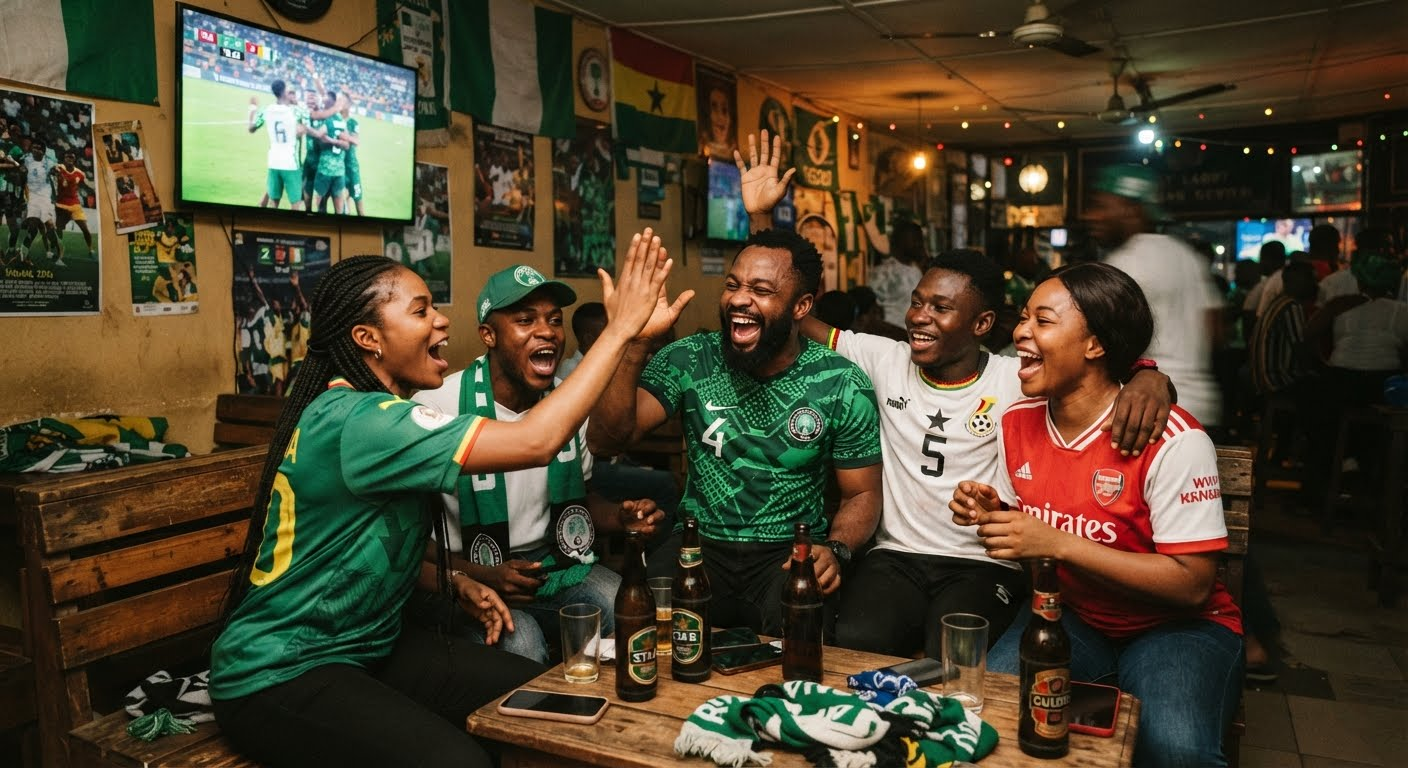
There is the official current-season jersey worn with pride to public screenings, but there is also the “lucky” vintage kit—faded letters, fraying collar, yet kept in active rotation because the team always seems to score whenever it is on your back. Conversely, every supporter knows the superstitious terror of the “jinxed” shirt: an otherwise beautiful jersey that has been banished to the bottom drawer because every time you wear it, your club concedes a 90th-minute equaliser.
While outsiders may view these habits with amusement, for supporters, wearing their club’s colours is a visible declaration of loyalty. It signals belonging to a community that spans continents, allowing complete strangers who cross paths on a Saturday morning to exchange knowing nods simply because they share the same crest.
The Gathering: From Private Living Rooms to Local Viewing Centres
How fans watch is just as important as what they wear. Football fandom thrives on collective emotion, and very few people prefer to experience high-stakes moments alone.
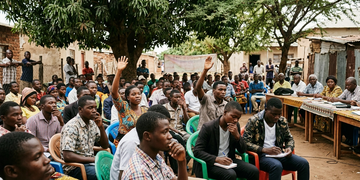
- The Local Viewing Centre: Across West and East Africa, the neighbourhood viewing centre remains an essential cultural hub. Long before kickoff, wooden benches fill with supporters arguing passionately over starting line-ups and transfer fees. Inside these lively rooms, the energy is electric: every tackle is met with collective gasps, every contentious refereeing call triggers intense debate, and a goal scored in London, Madrid, or Cairo shakes the tin roof in Lagos.
- The Match-Day Meal: In homes and neighbourhood spots, food and drink are woven into the schedule. Whether it is grabbing hot street food before kickoff, preparing a special weekend meal with friends, or sharing cold drinks during the half-time break, sharing food transforms match day from a passive viewing session into a celebratory gathering.
- The Living-Room Superstitions: At home, rituals become even more eccentric. Fans will insist that everyone sit in the exact same positions they occupied when the team took the lead. Others pace behind the television during tense penalty kicks, or refuse to enter the room during injury time because they convinced themselves their presence brings bad luck.
Why Even Rivalries Build Community
One of football’s greatest paradoxes is that the very rivalries that divide fans into opposing camps often bring them closer together.
When two rival clubs face off, the tension can be unbearable. Yet after the ninety minutes are up and the final whistle sounds, the shared spectacle creates an immediate bond. The heated banter that follows—dissecting defensive errors, arguing about offside lines, and trading good-natured jokes at work or over messaging groups—is part of the entertainment itself.
Supporters who spend the afternoon on opposite sides of a derby still share the same emotional rollercoaster. They understand the heartbreak of conceding late, the ecstasy of a stoppage-time winner, and the restless anticipation that builds every time a new weekend fixtures list drops.
The Whistle Blows, But the Memory Remains
Clubs will win trophies, suffer relegations, change managers, and sign new players. Form is temporary, and scorelines fade from memory.
What endures are the rituals: the friends you stood beside when history was made, the reliable routines that anchored your weekend, and the feeling of belonging to something much bigger than yourself. Long after the stadium floodlights have gone dark, it is these little traditions that turn a sport into a home.
Ultimately, African football fan culture transcends the game itself, weaving a rich tapestry of shared experiences, traditions, and emotions. It is this vibrant culture that transforms each match into a communal celebration, where rivalries ignite friendships and collective joy flourishes. As we embrace the nuances of African football fan culture, we recognize that it is not just about the sport; it is about the connections forged through shared passion and the memories created in the process. In every cheer, every ritual, and every shared meal, African football fan culture reminds us of the profound sense of belonging that football can inspire.
For a deeper understanding of African football fan culture, explore this insightful article by BBC Sport on the vibrant traditions and community aspects.
In essence, African football fan culture is a vibrant expression of identity and unity that goes beyond mere sport. It encapsulates the laughter, the tears, and the shared moments that define communities across the continent. By participating in these traditions, fans contribute to a legacy that celebrates not only their teams but also the rich tapestry of human connection. As we delve deeper into the nuances of African football fan culture, we uncover the powerful stories that bind us all, reminding us that in every match, we are part of something far greater than the game itself.
In essence, African football fan culture is a vibrant expression of community, identity, and passion. It is the laughter shared over a goal, the debates that follow a match, and the traditions that bind generations together. As we celebrate the unique aspects of African football fan culture, we recognize that it is not just about the game; it is about the connections forged and the memories created. This rich tapestry of experiences makes African football fan culture a vital part of the continent’s heritage, reminding us all of the power of sport to unite and inspire.
In essence, African football fan culture is a vibrant mosaic of shared passions and communal experiences that extend far beyond the pitch. It encapsulates the joy, heartbreak, and camaraderie that come with every match, creating bonds that last a lifetime. As we celebrate the unique aspects of African football fan culture, we recognize how these traditions enrich our lives and foster a sense of belonging. By embracing the diverse expressions of African football fan culture, we not only honor the sport but also the communities that breathe life into it, ensuring that every game day is a cherished event.

In essence, African football fan culture is a vibrant mosaic of shared passions and communal experiences that extend far beyond the pitch. It encapsulates the joy, heartbreak, and camaraderie that come with every match, creating bonds that last a lifetime. As we celebrate the unique aspects of African football fan culture, we recognize how these traditions enrich our lives and foster a sense of belonging. By embracing the diverse expressions of African football fan culture, we not only honor the sport but also the communities that breathe life into it, ensuring that every game day is a cherished event.
In essence, African football fan culture is a vibrant expression of identity and community, where every match day becomes a canvas for shared memories and collective passion. This culture not only celebrates the sport but also reinforces social bonds, fostering connections that extend beyond the final whistle. As we delve deeper into the intricacies of African football fan culture, we uncover a powerful narrative of resilience, joy, and unity that resonates across generations. Embracing African football fan culture means acknowledging the profound impact it has on individuals and communities alike, transforming mere spectators into a family united by love for the game.
In essence, African football fan culture is a vibrant celebration of community, identity, and shared passion. It thrives on the unique rituals and traditions that fans cultivate, making every match a collective experience that transcends mere sport. As we delve deeper into the heart of African football fan culture, we uncover the profound connections formed through shared victories and defeats. This culture not only enriches the lives of fans but also strengthens the bonds within communities, reminding us that football is more than just a game; it is a powerful force that unites people across diverse backgrounds. Embracing African football fan culture means embracing a legacy of joy, resilience, and unwavering loyalty.
In essence, African football fan culture is a vibrant reflection of community, identity, and shared passion. Each match day serves as a canvas where personal stories and collective memories intertwine, showcasing the profound impact of football beyond the pitch. The rituals, superstitions, and communal gatherings inherent in African football fan culture not only enhance the viewing experience but also foster connections that transcend geographical boundaries. As fans don their jerseys and gather in living rooms or local viewing centres, they are not just spectators; they are part of a larger narrative that celebrates resilience, unity, and joy. Embracing African football fan culture means recognizing that every cheer, every sigh, and every shared meal contributes to a legacy that resonates deeply within the heart of the continent.